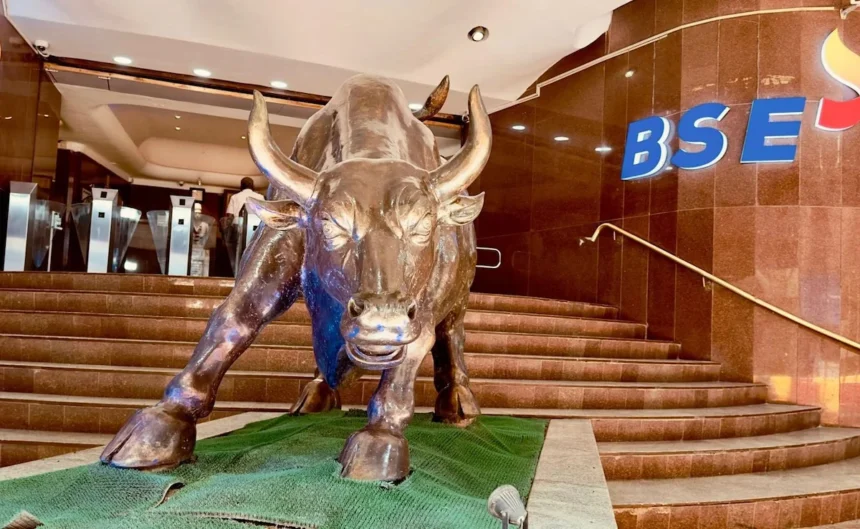
Indian stock markets rallied sharply as easing crude oil prices lifted investor sentiment, with the Sensex gaining over 400 points. The move reflects optimism around easing geopolitical tensions and improved macro stability outlook for India.
The Sensex jumps 400+ points as oil cools on US-Iran de-escalation hopes, signaling how closely Indian equities are tied to global energy prices. Lower crude prices reduce inflation pressure for India, a major oil importer, and support corporate earnings across sectors.
Oil Price Cooling Drives Market Sentiment
Global crude oil prices saw a pullback after signals of possible de-escalation between the United States and Iran. While tensions have not fully subsided, markets are reacting to reduced immediate risk of supply disruptions in key oil routes such as the Strait of Hormuz.
For India, even a small drop in crude prices has a significant macro impact. Lower oil prices ease import bills, support the rupee, and reduce pressure on fuel-linked inflation. This directly improves the outlook for sectors like aviation, logistics, paints, and FMCG.
The rally in Indian equities reflects this linkage. Investors are pricing in lower cost pressures and improved margins, especially for companies that rely heavily on fuel or crude derivatives.
Banking and IT Stocks Lead the Rally
The market rally was broad-based, but banking and IT stocks emerged as key drivers. Financial stocks gained on expectations that stable inflation could give the Reserve Bank of India more flexibility on interest rates.
Large-cap IT companies also saw buying interest as global risk sentiment improved. While the IT sector remains sensitive to global slowdown concerns, easing geopolitical stress tends to support foreign investment flows into emerging markets like India.
Midcap and smallcap indices also participated, indicating that the rally was not limited to a few heavyweight stocks but had wider market support.
Foreign Investors Return Amid Improved Outlook
Foreign institutional investors, who had been cautious in recent sessions, showed signs of returning to Indian equities. Lower oil prices combined with easing global risk perception make India relatively more attractive compared to other emerging markets.
India’s strong domestic demand story, stable banking system, and ongoing infrastructure push continue to act as structural positives. When global risks cool, capital tends to rotate back into such markets.
This trend is important because sustained foreign inflows can provide stability to the market and support further upside in benchmark indices.
Inflation and Policy Outlook in Focus
One of the biggest concerns for the Indian economy in recent months has been inflation driven by energy prices. A cooling in crude oil provides immediate relief on this front.
If oil prices remain stable or trend lower, it could reduce pressure on retail inflation, which in turn influences monetary policy decisions by the Reserve Bank of India.
A stable or accommodative rate environment is generally positive for equities, particularly for rate-sensitive sectors like real estate, banking, and automobiles.
However, analysts remain cautious. Geopolitical situations can change quickly, and any fresh escalation could reverse gains in both oil prices and equity markets.
Global Cues Continue to Influence Domestic Markets
The current rally highlights how interconnected global and domestic markets have become. Developments in the Middle East, US policy signals, and global commodity movements directly impact Indian equities.
Investors are increasingly tracking global macro cues alongside domestic earnings and policy developments. This shift is especially visible during periods of heightened geopolitical uncertainty.
While the immediate trigger for the rally is oil price cooling, the sustainability of the uptrend will depend on a combination of global stability, corporate earnings growth, and domestic economic indicators.
Takeaways
– Lower crude oil prices directly boost Indian market sentiment and reduce inflation pressure
– Banking and IT stocks are leading the current rally with broad market participation
– Foreign investors are showing signs of returning as global risks ease
– Market momentum remains dependent on geopolitical stability and oil price trends
FAQs
Q1. Why did the Sensex rise by over 400 points?
The rise was driven mainly by a drop in crude oil prices and hopes of reduced geopolitical tensions between the US and Iran.
Q2. How do oil prices affect the Indian stock market?
India imports most of its oil, so lower prices reduce inflation, improve corporate margins, and support economic growth.
Q3. Which sectors benefit the most from falling oil prices?
Sectors like aviation, FMCG, logistics, and paints benefit due to lower input and transportation costs.
Q4. Is this market rally sustainable?
Sustainability depends on continued stability in global oil prices, geopolitical developments, and domestic economic performance.