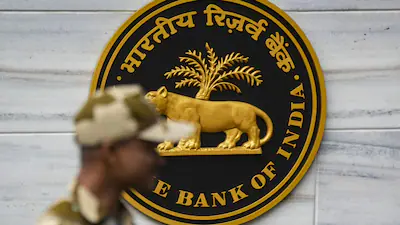
Tata Sons listing plans are back at the centre of India’s corporate news cycle after the Reserve Bank of India rejected the holding company’s request to surrender its Core Investment Company registration. The decision has pushed Tata Sons towards a public listing while raising fresh questions around ownership, governance, shareholder rights and the structure of the Tata Group.
RBI Rules Put Tata Sons Listing Back in Focus
The Tata Sons listing debate intensified this week after the RBI rejected the company’s application to voluntarily surrender its registration as a Core Investment Company, or CIC. The decision followed years of regulatory discussions over Tata Sons’ classification as an upper-layer non-banking financial company.
Tata Sons was classified as an upper-layer NBFC by the RBI in September 2022. Under the regulatory framework, such entities are subject to listing requirements. Tata Sons had previously sought to exit the CIC framework, but the RBI’s September 11 decision rejected that route.
The company’s earlier three-year listing deadline had expired on September 30, 2025, without a public listing. Its deregistration application remained under consideration until the latest RBI decision.
The regulatory issue has now moved from a long-running compliance debate to a major corporate restructuring question.
Tata Sons Board Moves Towards Public Listing
The Tata Sons board met on September 17 and approved steps towards pursuing a public listing. The decision came shortly after the RBI’s rejection of the company’s deregistration application.
The board also approved another five-year term for N Chandrasekaran as Tata Sons chairman. The decisions have become part of a wider governance dispute involving Tata Sons and Tata Trusts, the company’s largest shareholder.
Tata Trusts owns about 66% of Tata Sons, while the Shapoorji Pallonji Group holds about 18.4%. The two shareholders have taken different positions on the proposed listing.
Tata Trusts has opposed the listing proposal, while the Shapoorji Pallonji Group has supported it. The disagreement means the eventual structure of any public offering could become closely linked to shareholder negotiations.
Tata Trusts and SP Group Take Different Positions
The ownership structure is one of the biggest issues surrounding the Tata Sons listing.
Tata Trusts has historically benefited from dividends generated by its stake in Tata Sons and has argued against a listing. The Trusts have also raised concerns about the implications of changing the holding company’s structure.
The Shapoorji Pallonji Group, meanwhile, has backed a listing. Reuters reported on September 18 that the group, Tata Sons’ second-largest shareholder, supports the potential public offering. The SP Group has also proposed selling part of its Tata Sons stake, with the proceeds intended to help reduce its debt burden.
Tata Trusts has separately proposed alternatives to a public listing for addressing the SP Group’s liquidity requirements. Those proposals reportedly include funding through internal cash flows, selling listed investments, bringing investors into selected businesses or listing additional Tata subsidiaries.
This leaves the listing debate connected not only to regulation but also to the financial interests of Tata Sons’ shareholders.
Tata Sons Structure Could Need Major Changes
A public listing would require Tata Sons to make changes to its existing corporate structure.
Tata Sons converted into a private limited company in 2017. Its Articles of Association contain restrictions relating to share transfers and shareholder entry. Legal and market experts have pointed to these provisions as areas that could require changes before a public listing can proceed.
A listed company would also face significantly greater disclosure requirements. Financial information, material corporate decisions, related-party transactions and other developments would have to be disclosed to public-market investors under applicable securities regulations.
That would represent a major change for a company that has historically operated as the privately held holding entity at the centre of the Tata Group.
The eventual listing structure could therefore involve extensive legal, regulatory and corporate work before shares can actually begin trading.
Tata Group Stocks React to Listing Developments
The Tata Sons developments are already affecting sentiment around listed Tata Group companies.
On September 18, several major Tata stocks declined during trading as investors assessed the latest developments involving the holding company, its leadership and the proposed listing. Reuters reported that Tata Group companies collectively lost around $3.2 billion in market value during the session.
The market reaction illustrates why the Tata Sons listing is being watched beyond the holding company itself.
Tata Sons sits at the centre of a group with businesses spanning automobiles, information technology, steel, aviation, electronics, consumer products and financial services. Changes at the holding-company level can therefore have implications for how investors view the wider Tata ecosystem.
However, movements in individual listed Tata companies should not automatically be treated as a direct measure of the value of Tata Sons or the eventual outcome of the listing process.
RBI’s Latest FAQs Add More Regulatory Context
The RBI also issued updated FAQs covering aspects of its NBFC framework shortly after rejecting Tata Sons’ deregistration request.
The FAQs clarify regulatory concepts including principal business, public funds and the definition of a Core Investment Company. These explanations have attracted attention because they provide additional context around the regulatory framework applicable to Tata Sons.
The RBI has also filed a caveat in the Bombay High Court in relation to the Tata Sons listing matter. A caveat allows the regulator to seek an opportunity to be heard before the court passes an order if a legal challenge is brought against the listing-related decision.
This means the legal route remains an important part of the story even as Tata Sons begins preparing for compliance with the RBI’s position.
What Happens Next for Tata Sons?
The immediate focus will be on how Tata Sons converts the board’s decision into an actionable listing process.
That could involve changes to the Articles of Association, regulatory consultations, preparation of financial and corporate disclosures, decisions on the offering structure and discussions among major shareholders.
The timing of any actual IPO or stock-market listing remains a separate question from the board’s decision to move towards listing. The company still has significant structural and regulatory work ahead.
The shareholder disagreement also remains unresolved. Tata Trusts controls the majority stake, while the SP Group has publicly backed the listing and has an interest in monetising part of its holding.
For investors, the Tata Sons story is therefore no longer only about whether the holding company will list. It is now about how the listing could reshape ownership, governance and capital allocation across one of India’s largest business groups.
Key Takeaways
- RBI rejected Tata Sons’ request to surrender its Core Investment Company registration, putting the listing issue back at the centre of the group’s corporate strategy.
- The Tata Sons board has approved steps towards a public listing and granted N Chandrasekaran another five-year term as chairman.
- Tata Trusts, which owns about 66% of Tata Sons, has opposed the listing, while the Shapoorji Pallonji Group, with about 18.4%, has supported it.
- Any listing would require significant work involving corporate structure, disclosures, regulatory compliance and shareholder arrangements.
FAQ
Why is Tata Sons being pushed towards a listing?
Tata Sons was classified as an upper-layer NBFC by the RBI in 2022. Its attempt to surrender its Core Investment Company registration was rejected by the RBI in September 2026, leaving the company subject to the listing requirement associated with its regulatory classification.
Who owns Tata Sons?
Tata Trusts is the largest shareholder, with about 66% of Tata Sons. The Shapoorji Pallonji Group is the second-largest shareholder, with approximately 18.4%.
Has Tata Sons already launched an IPO?
No. The Tata Sons board has approved steps towards a public listing, but that does not mean an IPO has already been launched. The company still needs to address regulatory, legal, structural and disclosure requirements.
Why is the Tata Sons listing important for investors?
Tata Sons is the holding company at the centre of the Tata Group, which has major businesses across several industries. A public listing could change the way the holding company is valued, governed and scrutinised by public-market investors. The impact on individual listed Tata companies, however, will depend on their own financial and business fundamentals.
(Internal keyword suggestions: Tata Sons listing, Tata Sons IPO, Tata Sons RBI rules, Tata Sons public listing, RBI Tata Sons, Tata Trusts Tata Sons, Shapoorji Pallonji Tata Sons, Tata Sons chairman, Tata Group news, Tata Sons listing 2026)