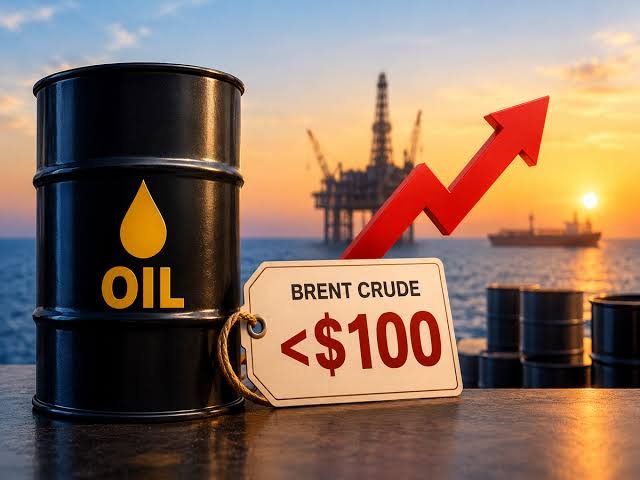
Global markets are being pulled in two directions as artificial intelligence stocks extend their rally while oil prices retreat below $100 a barrel. Investors are weighing stronger AI demand against Middle East risks, inflation concerns and expectations for further interest-rate moves.
AI Stocks Drive Fresh Gains Across Global Markets
Global markets remained focused on artificial intelligence on September 23, with technology shares extending recent gains and Asian equities riding the momentum from Wall Street.
The Nasdaq Composite closed at a record high on September 22, rising 0.45% to 27,243.24 points. The S&P 500 was almost unchanged, while the Dow Jones Industrial Average fell 0.36%. The MSCI global stock gauge also edged higher.
The latest rally has been concentrated around companies linked to AI infrastructure, semiconductors and data centres. Strong investor interest in the sector has continued despite concerns that valuations and capital spending have risen sharply.
Micron Technology was among the stocks supporting the Nasdaq, while other chipmakers also benefited from expectations of sustained demand for computing capacity.
The renewed enthusiasm shows that AI remains one of the strongest themes influencing global equity markets, even as investors continue to monitor inflation and geopolitical risks.
Oil Falls Below $100 as Supply Outlook Improves
Oil prices have provided another important signal for financial markets.
Brent crude fell to around $98.30 a barrel, while US crude declined to about $94.59 on September 22. The move followed signs of improving oil flows from the Middle East, including the restart of Saudi Arabia’s East-West pipeline.
Oil had moved sharply higher during the Middle East conflict because of concerns about disruptions to regional supplies and shipping routes.
The latest decline has eased some of the immediate pressure on markets. Lower crude prices can reduce concerns about an additional inflation shock, particularly for economies that rely heavily on imported energy.
However, the oil market remains highly sensitive to geopolitical developments. The Strait of Hormuz continues to be a major focus because of its importance to global energy shipments.
Any renewed disruption could quickly reverse the recent decline in prices.
Lower Energy Prices Give Investors Some Relief
The fall in oil prices has broader implications than the energy sector.
When crude becomes cheaper, businesses that use significant amounts of fuel or petroleum-based inputs can face lower operating costs. Consumers can also benefit through lower transportation and energy expenses if the decline persists.
For financial markets, the relationship with inflation is particularly important.
Central banks have been watching inflation closely, and higher energy prices can make it harder for policymakers to reduce interest rates. Conversely, a sustained decline in oil prices can reduce some inflationary pressure.
The latest market move therefore gave investors another reason to remain cautious but constructive.
US Treasury yields also moved lower as oil prices declined, although yields remained elevated. The benchmark 10-year US Treasury yield was around 4.95% in the latest trading session.
Markets are still pricing the possibility of additional rate increases because inflation remains a concern.
AI Rally Extends Beyond US Technology Stocks
The AI rally is increasingly influencing markets outside the United States.
Asian technology shares gained on September 23, with South Korean and Taiwanese stocks among those benefiting from renewed demand for AI-related companies and semiconductor products.
That trend reflects the structure of the global AI supply chain. Advanced computing requires large quantities of processors, memory chips, networking equipment and data-centre infrastructure.
Companies involved in these areas can therefore benefit even when they are not developing AI applications themselves.
Recent gains in semiconductor stocks have also reinforced investor expectations that spending on AI infrastructure will remain strong.
At the same time, the market is becoming more selective. Some software and consumer-facing companies have come under pressure as investors consider how AI agents could change existing business models.
That creates a wider divide within the technology sector between companies seen as beneficiaries of AI spending and businesses that could face disruption from increasingly capable AI systems.
Meta’s Muse Adds Another Layer to AI Market Optimism
Meta’s new AI assistant, Muse, has become a major talking point among investors.
The product’s strong early reception has helped reinforce interest in AI-related stocks. At the same time, its capabilities have raised concerns about the potential impact of AI agents on businesses such as online retail, travel, financial services and other consumer platforms.
Amazon, for example, blocked the agent from shopping on its platform, highlighting the practical challenges that could emerge as AI systems become capable of taking actions on behalf of users.
For investors, the development creates two competing narratives.
One is that increasingly capable AI products will expand the overall market for computing, software and digital services. The other is that AI agents could disrupt established companies whose business models depend on controlling customer interactions.
This tension is likely to remain a major theme for technology markets as companies introduce more autonomous AI products.
Trump-Xi Meeting Adds Trade And AI Uncertainty
Investors are also watching the meeting between US President Donald Trump and Chinese President Xi Jinping, which begins on September 23.
The two leaders are expected to discuss trade and other strategic issues, with markets particularly interested in the future of the existing US-China trade truce and possible cooperation or rules surrounding artificial intelligence.
The relationship between the world’s two largest economies has major consequences for global companies.
Tariffs, semiconductor restrictions and technology controls can affect everything from chip manufacturing to consumer electronics and industrial supply chains.
A continuation of the trade truce could reduce uncertainty for companies operating across both markets. New restrictions, however, could increase pressure on businesses to restructure supply chains.
Investors are therefore watching the Trump-Xi talks alongside the AI rally, rather than treating the two developments as separate market stories.
Rate Expectations Remain A Major Market Risk
The recent equity gains have not eliminated concerns about monetary policy.
The Federal Reserve raised interest rates last week and signalled that inflation remains a concern. Market participants are now watching economic data and central-bank comments for clues about whether further tightening could follow.
Other major central banks are facing similar pressures.
Higher interest rates can make stocks less attractive relative to bonds and increase financing costs for companies. They can also put pressure on technology stocks, particularly businesses whose valuations depend heavily on future growth.
The current market environment is therefore unusual. AI optimism is supporting technology shares while inflation and interest-rate risks continue to limit broader market confidence.
Lower oil prices could help by reducing one source of inflation pressure, but investors need evidence that the decline can persist.
Global Markets Face A Mixed Set Of Signals
The latest session reflects several forces moving in different directions.
AI demand remains strong, supporting semiconductor and technology stocks. Oil prices have fallen below $100, easing some concerns about energy-driven inflation. But geopolitical risks remain, particularly around the Middle East.
At the same time, central banks have not declared victory over inflation, leaving interest-rate expectations uncertain.
The US-China meeting adds another variable. Any change in trade or technology policy could quickly affect companies and markets around the world.
For now, investors are continuing to place significant weight on AI-related growth while watching oil, interest rates and geopolitical developments for signs that the broader market environment could change.
The combination of record Nasdaq levels, lower crude prices and persistent inflation concerns means the global market rally is continuing under a closely watched set of conditions.
Key Takeaways
- The Nasdaq closed at a record high as AI and semiconductor stocks continued to attract investors.
- Brent crude fell to about $98.30 a barrel, while US crude traded below $95 amid improving Middle East supply conditions.
- Investors remain focused on inflation and the possibility of additional interest-rate increases by major central banks.
- The Trump-Xi meeting adds another major market variable, particularly for global trade, semiconductors and AI policy.
FAQ
Why are global markets rising?
Recent gains have been supported by renewed investor interest in artificial intelligence and semiconductor companies, along with easing oil prices and expectations that improved Middle East supply could reduce some inflation pressure.
Why is oil trading below $100?
Brent crude fell below $100 as oil supply prospects improved, including the restart of Saudi Arabia’s East-West pipeline and increased movement through regional shipping routes.
How does lower oil affect stock markets?
Lower oil prices can reduce energy and transportation costs and may ease inflation pressure. That can support market sentiment, although the effect depends on how long the decline lasts and what happens to global demand.
Why are investors watching the Trump-Xi meeting?
The US and China have significant influence over global trade and technology supply chains. Investors are particularly interested in the future of their trade truce and potential developments involving AI and technology restrictions.