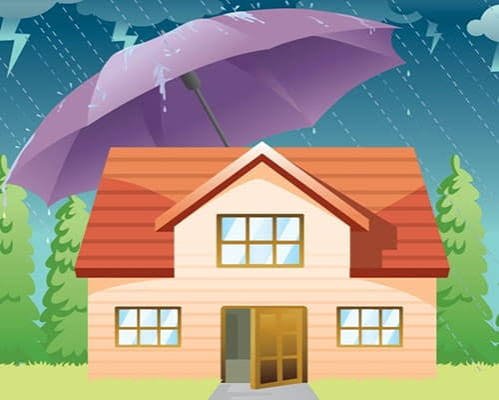
Heavy monsoon rains can cause waterlogging, leaks, electrical hazards, and structural damage to homes across India. This practical guide explains how Indian families can prepare before, during, and after heavy rainfall with simple preventive measures that improve safety and reduce repair costs.
The topic is evergreen with seasonal relevance. While monsoon conditions vary by region and current weather alerts are time sensitive, the advice in this article is based on established home safety practices and remains useful throughout every monsoon season.
How to Protect Your Home During Heavy Monsoon Rains: A Practical Guide for Indian Families
Heavy monsoon rains are a part of life in India, but they also bring challenges such as water leakage, flooding, electrical risks, damp walls, and damage to household belongings. Knowing how to protect your home during heavy monsoon rains can help families avoid expensive repairs and stay safe throughout the season. Whether you live in a metro city or a Tier 2 or Tier 3 town, taking preventive action before intense rainfall arrives is far more effective than dealing with the damage afterward.
Inspect Your Roof and Exterior Before the Monsoon
One of the most common reasons for water entering homes is poor roof maintenance. Even a small crack or damaged tile can allow rainwater to seep inside over time.
Before heavy rainfall begins, inspect the roof for loose tiles, cracked waterproofing, damaged gutters, and blocked rainwater outlets. If your home has a terrace, make sure the drainage points are free from leaves and debris. Water that remains stagnant on rooftops can eventually find its way into ceilings and walls.
Homeowners should also check exterior walls for visible cracks. Sealing these gaps with waterproof fillers can reduce the chances of seepage during continuous rain.
Improve Drainage Around Your Home
Proper drainage is one of the most effective ways to prevent flooding around residential properties.
Ensure that rainwater drains outside your house are not blocked by mud, plastic waste, or fallen leaves. If you live in an independent house, create a clear path for rainwater to flow away from the building instead of collecting near the foundation.
Families living in flood-prone areas should consider installing small flood barriers or sandbags near entrances during periods of extremely heavy rainfall. These simple measures can help reduce water entering the house during sudden downpours.
Protect Electrical Systems from Water Damage
Electricity and water are a dangerous combination during the monsoon season.
Inspect exposed electrical wiring, outdoor switchboards, and extension connections before the rains begin. Any damaged insulation should be repaired immediately by a qualified electrician.
Avoid placing electrical appliances directly on the floor in areas vulnerable to waterlogging. Important devices such as inverters, routers, and power backup systems should be positioned on raised platforms whenever possible.
During severe flooding, switch off the main electrical supply if it is safe to do so and avoid touching electrical equipment with wet hands.
Prevent Dampness, Mold, and Indoor Moisture
Continuous rainfall often increases indoor humidity, leading to mold growth and unpleasant odors.
Good ventilation plays a major role in controlling moisture. Open windows whenever weather conditions allow and use exhaust fans in kitchens and bathrooms to reduce humidity.
Waterproof paint and anti-fungal wall coatings can help minimize long-term damage in moisture-prone rooms. Furniture should be placed slightly away from walls to improve airflow and reduce the chances of hidden mold developing behind cupboards.
Regularly inspect ceilings and corners for early signs of water stains. Addressing minor leaks quickly can prevent larger structural problems later.
Keep Important Documents and Emergency Supplies Ready
Heavy rains sometimes disrupt electricity, transportation, and communication services.
Store important documents such as identity cards, insurance papers, property records, bank documents, and medical prescriptions in waterproof folders or sealed plastic containers.
Every family should maintain a basic emergency kit containing:
- Flashlights with spare batteries
- Power banks for mobile phones
- Drinking water
- Dry food items
- Essential medicines
- First-aid supplies
- Emergency contact numbers
If local authorities issue weather warnings, keep mobile phones charged and follow official advisories rather than relying on rumors circulating on social media.
Protect Household Items and Furniture
Wooden furniture, electronics, carpets, and important household items are particularly vulnerable during prolonged rainfall.
Avoid storing valuable items directly on the floor, especially in ground-floor homes. Use shelves, storage racks, or raised platforms wherever possible.
Check doors and windows for damaged rubber seals that allow rainwater inside. Installing simple weather strips can significantly reduce leakage around window frames.
If your area frequently experiences flooding, consider moving expensive appliances to higher floors whenever heavy rainfall warnings are issued.
Review Your Home Insurance Coverage
Many homeowners overlook insurance until damage has already occurred.
Review your home insurance policy to understand what types of monsoon-related damage are covered. Some policies may include protection against flooding, storms, or water damage, while others require additional coverage.
Keep photographs of your home and valuable possessions as part of your records. These can be useful if you ever need to file an insurance claim after severe weather.
Being prepared financially is just as important as taking physical precautions around the house.
Stay Updated with Official Weather Alerts
Weather conditions can change rapidly during the Indian monsoon.
Regularly check forecasts issued by the India Meteorological Department (IMD) and follow updates from your state disaster management authority. Early warnings provide valuable time to secure outdoor items, protect vehicles, and prepare your family before heavy rainfall arrives.
Avoid traveling through flooded roads unless absolutely necessary, and never attempt to drive through fast-moving water, as even shallow flooding can become dangerous.
Takeaways
- Inspect roofs, walls, and drainage systems before heavy monsoon rainfall begins.
- Protect electrical systems and store important documents in waterproof containers.
- Reduce indoor moisture through proper ventilation and timely leak repairs.
- Keep an emergency kit ready and monitor official weather alerts throughout the monsoon season.
Frequently Asked Questions
1. What is the biggest risk to homes during heavy monsoon rains?
Water seepage, flooding, electrical hazards, and structural dampness are among the most common risks faced by Indian households during prolonged rainfall.
2. How can I prevent rainwater from entering my home?
Regularly clean drains, repair roof damage, seal wall cracks, maintain window seals, and ensure rainwater flows away from the building instead of collecting near the foundation.
3. Should important documents be stored differently during the monsoon?
Yes. Keep essential documents in waterproof folders or sealed containers to protect them from water damage in case of leaks or flooding.
4. Is home insurance useful for monsoon-related damage?
Home insurance can help cover certain types of weather-related damage, depending on the policy. It is advisable to review your coverage before the peak monsoon season.