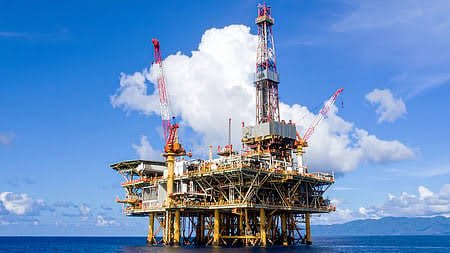
The oil market volatility has returned to the forefront of global financial markets as renewed tensions in the Middle East continue to influence crude oil prices and investor sentiment. While oil prices eased slightly on July 31 after recent gains, uncertainty surrounding regional security, shipping routes, and energy supplies has kept markets on edge. Investors are now balancing geopolitical risks with broader concerns over inflation, interest rates, and global economic growth.
Brent crude and U.S. West Texas Intermediate (WTI) crude declined during Friday’s trading session after stronger shipping activity through key energy routes reduced immediate supply concerns. However, both benchmarks remain on track for significant monthly gains, highlighting the persistent geopolitical risk premium built into oil prices.
Middle East Tensions Continue to Influence Oil Prices
Global energy markets remain highly sensitive to developments in the Middle East because the region accounts for a substantial share of the world’s crude oil production and exports. Any disruption to shipping routes or production facilities can immediately affect oil supply expectations.
Recent military tensions involving Iran and continued security concerns around the Strait of Hormuz and the Red Sea have increased uncertainty among energy traders. Although oil shipments have continued through these strategic waterways, freight costs, insurance premiums, and shipping risks have risen considerably.
The Strait of Hormuz remains particularly important because roughly one-fifth of the world’s seaborne crude oil passes through the narrow waterway. Even the possibility of disruptions often leads traders to increase prices as a precaution against potential supply shortages.
Why Investors Are Closely Watching Oil Markets
Oil prices influence far more than the energy sector. Rising crude prices directly affect inflation, transportation costs, manufacturing expenses, aviation, logistics, and household fuel bills across the world.
When oil becomes more expensive, businesses generally face higher operating costs. Many companies eventually pass these costs on to consumers, increasing inflationary pressure across economies.
This explains why investors are reacting cautiously despite recent strength in corporate earnings from major technology companies. Higher oil prices can complicate monetary policy decisions for central banks that are already attempting to balance inflation control with economic growth.
Financial markets therefore remain highly responsive to every geopolitical development affecting global energy supplies. Even relatively small disruptions can trigger significant movements in commodity markets because traders continuously adjust expectations based on evolving risks.
Global Markets Face Inflation and Interest Rate Concerns
The return of oil market volatility comes at a time when several major central banks have adopted cautious policy positions.
The U.S. Federal Reserve, the Bank of England, and other major central banks have recently maintained interest rates while emphasizing that future decisions will depend on incoming inflation data. Rising oil prices could complicate those plans by increasing fuel and transportation costs, potentially slowing progress in reducing inflation.
Bond markets have also reacted to energy price movements. Higher oil prices often lead investors to expect elevated inflation, resulting in rising government bond yields and increased market volatility.
Equity markets have experienced mixed trading sessions as investors weigh strong corporate earnings against macroeconomic risks created by higher energy prices and geopolitical uncertainty.
Energy Companies and Import-Dependent Economies Respond
Energy producers generally benefit from sustained increases in crude prices because higher prices improve revenue and profitability. Several major international oil companies are expected to report stronger earnings following recent gains in oil prices.
However, oil-importing economies face greater challenges. Countries that rely heavily on imported crude may experience higher trade deficits, currency pressure, and increased inflation if elevated energy prices persist.
India, Japan, and many European nations closely monitor oil price movements because imported energy plays a significant role in their economic stability. Rising crude prices can influence fuel prices, transportation costs, industrial production, and overall consumer spending.
Governments also remain alert because prolonged energy inflation can slow economic growth and increase pressure on public finances through fuel subsidies or other support measures.
What Investors Should Watch Next
Although crude oil prices declined modestly on Friday, market analysts believe geopolitical developments will continue driving short-term price movements.
Investors are closely monitoring shipping activity through the Strait of Hormuz, diplomatic developments involving regional powers, and any changes in global crude inventories. At the same time, economic indicators such as inflation reports, manufacturing activity, and central bank guidance remain equally important because they influence expectations for future energy demand.
Another key factor is whether oil-producing nations maintain current production levels or introduce supply adjustments in response to changing market conditions.
Until geopolitical tensions ease more decisively, energy markets are likely to remain volatile. Short-term price swings may continue as traders respond rapidly to new developments affecting global oil supplies and transportation networks.
Takeaways
- Middle East geopolitical tensions continue to create volatility in global crude oil markets.
- Brent and WTI crude remain elevated despite a modest pullback in daily prices.
- Higher oil prices increase inflation risks and complicate central bank policy decisions.
- Investors are closely monitoring shipping routes, geopolitical developments, and global energy demand.
FAQ
Q1. Why are oil prices so volatile right now?
Oil prices are reacting to geopolitical tensions in the Middle East, concerns over energy shipping routes, and uncertainty surrounding future crude supplies.
Q2. How do higher oil prices affect global markets?
Higher crude prices increase transportation and manufacturing costs, raise inflation, influence central bank decisions, and affect corporate profitability across multiple industries.
Q3. Why is the Strait of Hormuz important?
The Strait of Hormuz is one of the world’s most important oil transit routes, carrying a significant share of global seaborne crude exports. Any disruption can quickly affect global energy prices.
Q4. What should investors monitor in the coming weeks?
Investors should watch geopolitical developments in the Middle East, crude inventory data, shipping activity, inflation reports, and future guidance from major central banks.