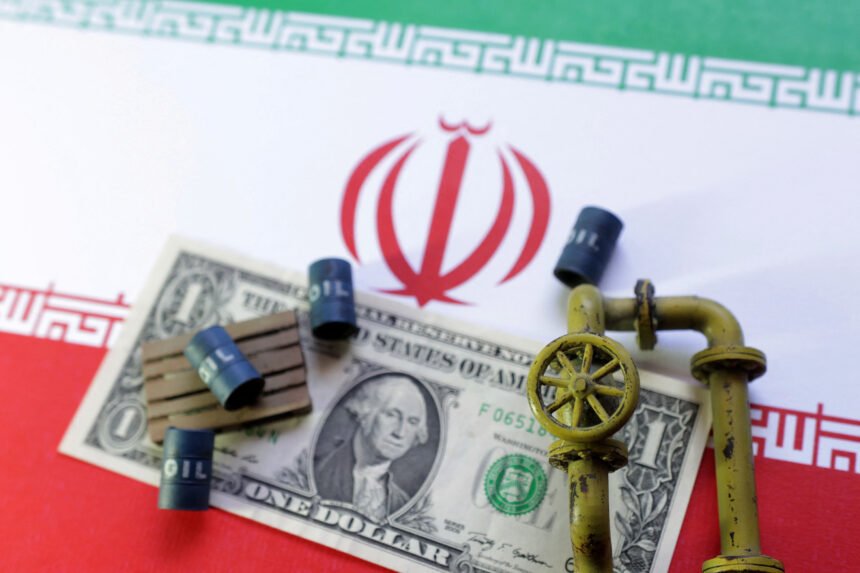
Global oil prices moved lower after signs of diplomatic progress involving Iran reduced fears of supply disruptions in the Middle East. The decline reflects changing market sentiment as traders reassess geopolitical risks and the outlook for global energy supplies.
Oil Prices React to Easing Geopolitical Tensions
Oil prices slide as Iran diplomacy eases pressure on global energy markets, marking a significant shift in investor sentiment after weeks of uncertainty. Crude oil markets had been closely monitoring developments in the Middle East, where concerns over regional tensions had previously pushed prices higher due to fears of supply disruptions.
Recent diplomatic signals suggesting a reduction in immediate conflict risks have helped calm energy markets. Traders often add a geopolitical risk premium to oil prices when there is a possibility that production facilities, shipping routes, or exports could be affected by instability. As those fears begin to ease, that premium tends to decline.
Benchmark crude contracts, including Brent and West Texas Intermediate (WTI), responded by moving lower as investors focused on the possibility of uninterrupted energy flows from one of the world’s most important oil-producing regions.
Why Iran Matters to Global Energy Markets
Iran remains a key player in global energy markets despite years of international sanctions and restrictions. The country possesses some of the world’s largest proven oil and natural gas reserves and occupies a strategically important position near the Strait of Hormuz.
The Strait of Hormuz is one of the most critical maritime chokepoints for global energy trade. A significant portion of the world’s oil exports passes through this narrow waterway connecting the Persian Gulf to international markets.
Whenever tensions involving Iran increase, concerns quickly emerge regarding shipping security and energy supplies. Even if actual production remains unchanged, market participants often react to the potential risk of disruptions.
The latest diplomatic developments have reduced concerns that regional instability could escalate into a broader threat to oil exports. This shift has encouraged traders to reassess supply risks and focus more on market fundamentals such as production levels, inventories, and demand forecasts.
Crude Oil Market Shifts Focus to Supply and Demand
With geopolitical concerns easing, attention is returning to traditional drivers of oil prices. These include global economic growth, industrial activity, transportation demand, and production decisions by major oil-producing nations.
The Organization of the Petroleum Exporting Countries (OPEC) and its allies continue to play a major role in balancing global supply. Production targets and voluntary output adjustments remain important factors influencing price movements.
At the same time, energy demand trends in major economies such as China, the United States, India, and the European Union are being closely monitored. Slower economic growth can reduce fuel consumption, while stronger industrial activity tends to support demand.
Analysts note that oil markets often experience sharp price swings when geopolitical developments dominate headlines. However, once immediate risks fade, supply-demand fundamentals typically regain influence over pricing decisions.
Impact on Inflation, Businesses, and Consumers
Lower oil prices can have broad economic implications beyond the energy sector. Crude oil serves as a key input for transportation, manufacturing, logistics, aviation, and various industrial activities.
When oil prices decline, businesses may benefit from reduced fuel and operating costs. Airlines, shipping companies, manufacturers, and transportation providers often see cost pressures ease when energy prices move lower.
Consumers can also benefit indirectly through lower fuel prices and reduced inflationary pressures. In many countries, energy costs influence transportation expenses, food distribution costs, and overall household spending.
For central banks, lower energy prices may provide some relief in efforts to control inflation. While oil is only one component of broader inflation trends, sustained declines can contribute to a more stable price environment across multiple sectors.
What Investors Should Watch Next
Although the recent decline in oil prices reflects improving diplomatic conditions, markets remain highly sensitive to geopolitical developments. Any change in regional dynamics could quickly alter expectations and trigger renewed volatility.
Investors will continue monitoring diplomatic discussions involving Iran, production policies from major oil exporters, and global economic indicators. Demand forecasts from organizations such as the International Energy Agency and OPEC will also remain important reference points.
The energy market remains influenced by multiple variables, including trade flows, currency movements, inventory levels, and weather-related disruptions. As a result, oil prices are likely to remain responsive to both geopolitical events and economic data.
For now, easing tensions have provided a measure of stability, allowing markets to focus more closely on the broader balance between global oil supply and demand.
Takeaways
• Oil prices declined as diplomatic developments involving Iran reduced geopolitical concerns.
• Lower tension in the Middle East eased fears of disruptions to global energy supplies.
• Investors are shifting attention back to supply-demand fundamentals and economic growth.
• Reduced oil prices could help lower inflationary pressures and business operating costs.
FAQ
Q1. Why did oil prices fall recently?
Oil prices fell because diplomatic progress involving Iran reduced fears that geopolitical tensions could disrupt oil production or shipping routes in the Middle East.
Q2. Why is Iran important to the oil market?
Iran holds significant oil and gas reserves and is located near the Strait of Hormuz, a critical route for global energy exports.
Q3. How do lower oil prices affect consumers?
Lower oil prices can reduce fuel costs and help ease inflationary pressures across transportation, logistics, and consumer goods.
Q4. Could oil prices rise again?
Yes. Oil markets remain sensitive to geopolitical developments, production decisions, economic growth trends, and changes in global demand.